
Shocking Report: 160,000 Lagos Residents Living With HIV in 2025 – Urgent Warning & Action Plan
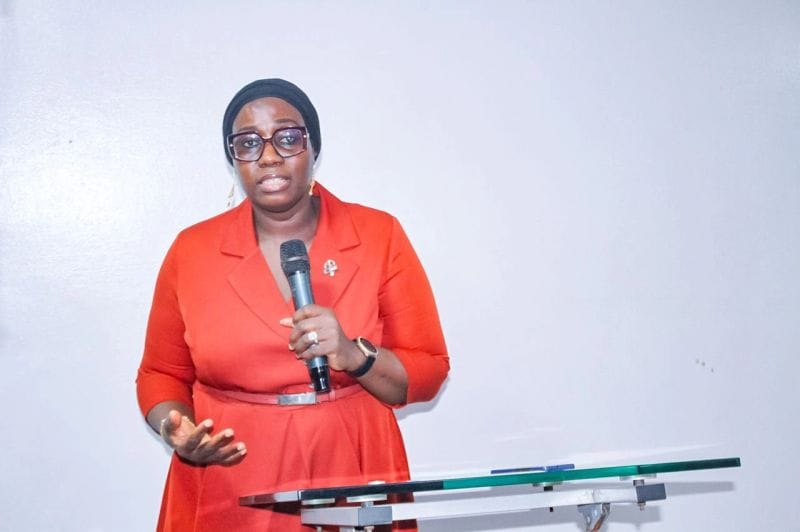
Lagos residents living with HIV now exceed 160,000, according to an official statement by Dr. Folakemi Animashaun, the CEO of the Lagos State Aids Control Agency (LASCA). This announcement was made during a press briefing in commemoration of the 2025 World AIDS Day, themed “Overcoming Disruptions: Sustaining Nigeria’s HIV Response.”
Dr. Animashaun praised Governor Babajide Sanwo-Olu for his support, stating that his dedication is helping strengthen community health structures and improve care for Lagos residents living with HIV.
📌 Table of Contents
- What the Report Revealed About Lagos Residents Living With HIV
- Drop in HIV Testing and Why Experts Are Worried
- Impact of the US Government Stop-Work Order
- Why Many Lagos Residents Still Avoid HIV Testing
- Government Response and New Action Plans
- Key HIV Statistics in Lagos
- Why Community Testing Matters
- Understanding Antiretroviral Treatment
- How Lagos Can Reduce HIV Transmission
- What You Can Do Today
- Conclusion
What the Report Revealed About Lagos Residents Living With HIV
As of September 2025, over 160,000 Lagos residents are living with HIV, and 147,466 of them are currently accessing antiretroviral treatment.
“The strength of any health response is measured not only by what happens within clinics but also by the trust and reach of community engagement,” – Dr. Folakemi Animashaun
Drop in HIV Testing and Why Experts Are Worried
Lagos recorded only 222,415 HIV tests from January to September 2025 — just 28.9% of the testing recorded last year. Experts fear that thousands may unknowingly spread the virus due to reduced awareness and limited access to testing.
Low testing directly increases the risk of continued community transmission, delayed diagnosis, and preventable deaths.
Impact of the US Government Stop-Work Order
The temporary suspension of support programs significantly affected HIV outreach efforts, especially for adolescents, remote communities, and high-risk groups such as drug users and sex workers.
Why Many Lagos Residents Still Avoid HIV Testing
- Fear of stigma or discrimination
- Lack of accurate medical knowledge
- Belief that HIV equals automatic death
- Religious and cultural judgment
- Poor access to health facilities in rural zones
Government Response and New Action Plans
The government has launched a Statewide Community HIV Testing Campaign which began on November 18, 2025. The initiative has tested 9,943 residents, with a positivity rate of 2.0%. All individuals diagnosed were immediately linked to treatment and counseling.
Key HIV Statistics in Lagos
| Category | Figure |
|---|---|
| Residents living with HIV | 160,000+ |
| On treatment (ART) | 147,466 |
| HIV tests Jan–Sept 2025 | 222,415 |
| Recent campaign positivity rate | 2.0% |
Why Community Testing Matters
Community testing helps improve trust and reduce stigma, especially among young and vulnerable groups. It also helps detect cases early and prevents mother-to-child transmission.
Understanding Antiretroviral Treatment (ART)
- Allows people living with HIV to have a normal lifespan
- Prevents transmission to partners (U=U: Undetectable = Untransmittable)
- Keeps viral load controlled and prevents AIDS
How Lagos Can Reduce HIV Transmission
- Boost access to community testing
- Strengthen sexual health education
- Fight stigma and discrimination
- Empower faith-based organizations and schools
- Support high-risk communities and women
- Improve digital and social media awareness
What You Can Do Today
- Get tested regularly
- Encourage your partner and friends to test
- Share verified medical information
- Stop stigma and promote compassion
- Support HIV awareness campaigns
Conclusion
The confirmation that over 160,000 Lagos residents are living with HIV highlights the urgent need for continued investment, awareness, community testing, and support services. Testing saves lives, while silence and stigma continue to destroy them. Protect yourself, protect others — get tested today.
External Resources:
WHO HIV Facts |
UNAIDS Global Data
Internal Links:
Read more Nigerian health news |
Latest Breaking News
5 Comments
Your article helped me a lot, is there any more related content? Thanks!
YES
Thank you for your sharing. I am worried that I lack creative ideas. It is your article that makes me full of hope. Thank you. But, I have a question, can you help me?
Thank you for your sharing. I am worried that I lack creative ideas. It is your article that makes me full of hope. Thank you. But, I have a question, can you help me?
I don’t think the title of your article matches the content lol. Just kidding, mainly because I had some doubts after reading the article.