








Fela Kuti to Receive Historic Posthumous Grammy Lifetime Achievement Award
Fela Kuti Grammy Lifetime Achievement Award history is about to be made as the legendary Afrobeat pioneer, Fela Anikulapo-Kuti, becomes the first African artist to receive the prestigious honour posthumously.
The Recording Academy officially announced that the late “King of Afrobeat” will be honoured at the 2026 Grammy Awards, nearly three decades after his death, cementing his immortal legacy in global music history.

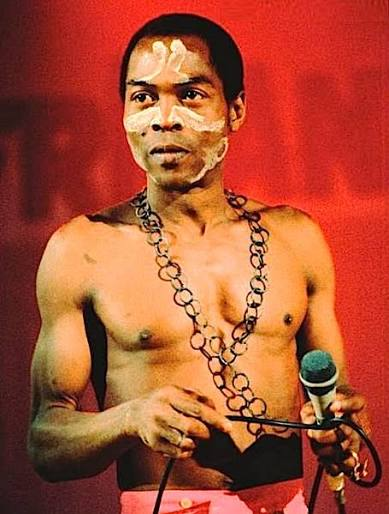
A Historic Moment for African Music
The Fela Anikulapo Kuti Grammy recognition is more than just an award – it represents a long-overdue global acknowledgment of African creativity, resistance, and cultural power. Fela, who passed away in 1997, was not just a musician but a revolutionary voice who challenged political oppression, colonial legacies, and social injustice through music.
The award will be presented at the Special Merit Awards Ceremony on Saturday, January 31, 2026, at the Wilshire Ebell Theatre in Los Angeles – one day before the main 68th Grammy Awards ceremony.
Why Fela Kuti’s Grammy Win Is Symbolic
What makes the Fela Kuti Grammy Lifetime Achievement Award especially symbolic is his long-standing criticism of Western institutions, including global music gatekeepers. During his lifetime, Fela openly rejected Western validation, choosing instead to build Afrobeat as an independent cultural movement rooted in African identity.
Ironically, decades later, the very system he critiqued is now honouring his influence – a powerful testament to how undeniable his impact has become.
What Made Fela Kuti’s Music Special?
Fela’s music was never designed for casual listening. It was political, spiritual, aggressive, and deeply intellectual. Songs like Zombie, Coffin for Head of State, Sorrow Tears and Blood, and Water No Get Enemy fused jazz, funk, Yoruba rhythms, and biting social commentary.
This complexity is exactly why his work continues to spark debate today – and why the Afrobeat pioneer Grammy Award recognition carries such weight.
Massive Online Reactions and Comment Storm
Following the announcement, social media platforms were flooded with reactions – ranging from praise and nostalgia to heated tribal and generational debates.
Some commenters questioned the listenability of Fela’s music, while others fiercely defended his artistry, calling out tribal bias and ignorance.
Anonymous: “Without him, there would be no Afrobeats today. Everything you hear now traces back to Fela.”
Another commenter: “This music is not for nightclubs. It’s for people with wisdom and spiritual depth.”
Others dragged modern artists into the discussion, particularly comparisons involving Wizkid and newer Afrobeats stars – a debate many felt was unnecessary.
Fela vs Modern Afrobeats Debate
One recurring argument online was whether modern Afrobeats artists could exist without Fela’s foundation. While opinions varied, many agreed that Fela didn’t just create music — he built a genre, an ideology, and a cultural blueprint.
Several commenters emphasized that today’s global Afrobeats success rests on groundwork laid by pioneers like Fela, Tony Allen, and other early innovators.
Award Beyond Music
The Fela Kuti Grammy Lifetime Achievement Award also honours his activism. He endured arrests, beatings, imprisonment, and state-sponsored violence for speaking truth to power. His Kalakuta Republic was destroyed, his mother killed following a military raid — yet he never backed down.
That courage is why many describe this Grammy honour as recognition not just of sound, but of sacrifice.
The Kuti Family and Afrobeat Legacy
Members of the Kuti family, including Femi Kuti and Seun Kuti, have continued Fela’s legacy, keeping Afrobeat alive across generations. Many fans have called on the Recording Academy to allow a Kuti family representative to receive the award on his behalf.
The Grammy recognition now officially places Fela alongside legends like Bob Marley, Aretha Franklin, and The Beatles — artists whose work reshaped culture forever.
Why This Grammy Matters for Africa
This milestone sends a powerful message: African art matters. African voices matter. And African pioneers deserve global recognition — even if it comes decades late.
As one commenter put it: “Tinubu didn’t sign papers, but Fela signed history.”
Drop Your Comment
The conversation is far from over. Do you believe Fela Kuti deserves this Grammy honour? Was Afrobeat better then or now? Should African legends be celebrated more at home?
Drop your comment below and join the discussion.


